
5 Steps After a Jacksonville Code Violation Notice
A Jacksonville code violation notice for unpermitted work usually means the city needs proof that construction was properly permitted, inspected, and completed according to current requirements. The underlying issue is often uninspected work—not simply missing paperwork. Owners should respond promptly, document the property’s history, and use a qualified contractor to determine whether after-the-fact permitting is possible.
What Does a Jacksonville Code Violation Notice Mean?
A notice indicates that the City of Jacksonville has identified a potential building, zoning, fire, electrical, plumbing, mechanical, or occupancy issue. It may result from a field inspection, a complaint, a permit review, a property transaction, or an application for a new permit.
For commercial property owners, the notice may involve work completed by a previous owner, tenant, contractor, or maintenance provider. You may not have performed the work yourself, but the current property owner generally must address the condition.
The notice may reference:
- Construction completed without a permit
- Work that was permitted but never inspected or finalized
- A use or occupancy that does not match the approved use
- Building conditions that do not meet current code requirements
- Missing documentation for concealed work
- Zoning, fire, accessibility, structural, or life-safety concerns
Read the notice carefully and identify the property address, cited work, department involved, required response, and any stated correction process. Avoid assuming that correcting the visible condition alone will resolve the matter. The city may need to verify the work behind walls, ceilings, floors, or other finished surfaces.
What Is the Real Issue With Unpermitted Work?
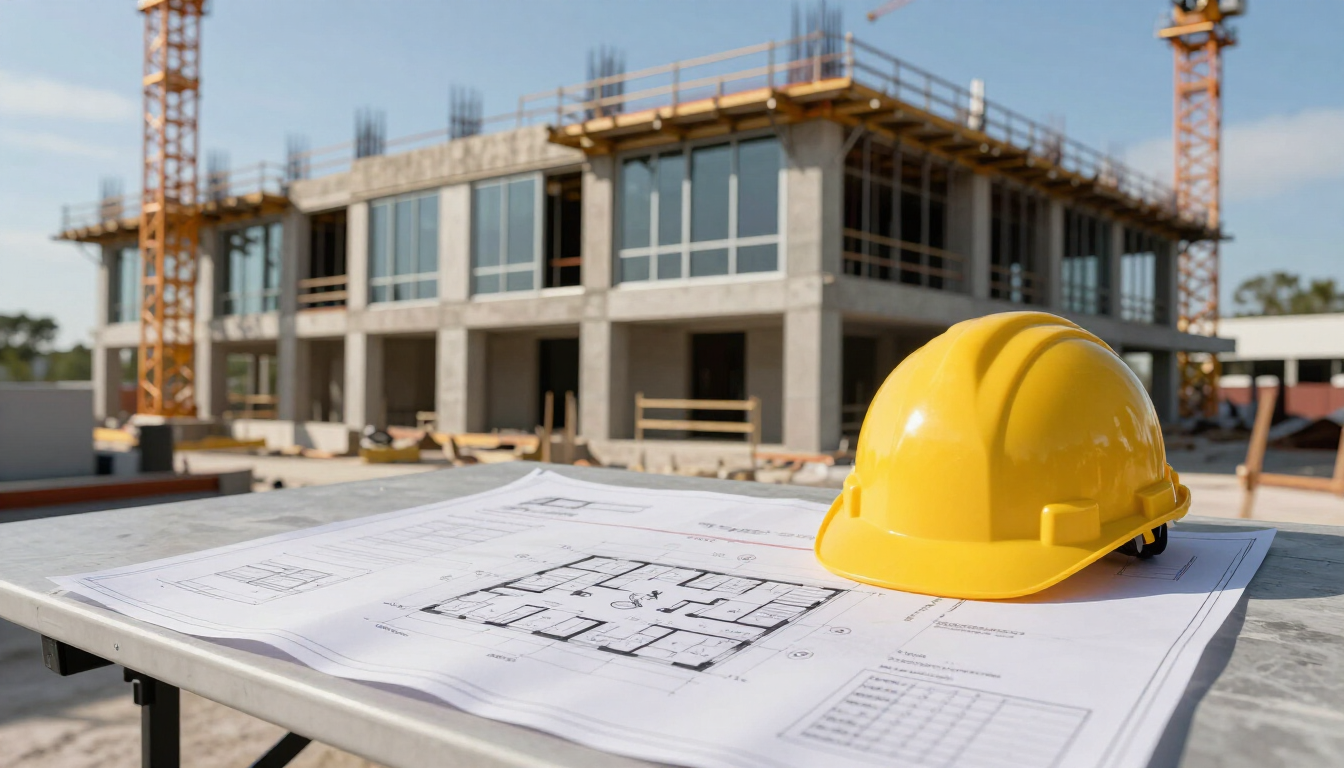
The central problem is usually the lack of inspection records. A permit gives the local authority an opportunity to evaluate the work at appropriate stages. When work is completed without inspections, the city cannot easily confirm whether the structure, systems, materials, and installation methods comply with applicable requirements.
This distinction matters because an owner may see finished walls, ceilings, or flooring and assume the work is acceptable. However, a finished appearance does not establish compliance. A commercial alteration may affect structural capacity, fire separation, emergency exits, accessibility, electrical loads, plumbing, ventilation, or the approved occupancy.
A contractor or design professional may need to investigate the property, compare existing conditions with available plans, and determine what must be exposed or tested before the city can approve the work.
What Commercial Work Commonly Requires a Permit?
Permit requirements depend on the project scope, property type, location, and applicable building and zoning rules. Common examples of potentially unpermitted commercial work include:
- Interior renovations, partitions, ceilings, doors, or finish work
- Electrical, plumbing, mechanical, or HVAC modifications
- Structural changes, removed walls, roof work, or new openings
- Tenant improvements for offices, restaurants, retail, or industrial spaces
- New or relocated restrooms, kitchens, bars, or commercial equipment
- Signage, exterior changes, additions, decks, or site improvements
- Work associated with accessibility, fire protection, or life safety
- Commercial change of use , such as converting a warehouse to an office, retail, assembly, restaurant, or other occupancy
A commercial change of use can trigger more than a construction review. It may require evaluation of parking, occupant load, exits, accessibility, restrooms, fire protection, ventilation, electrical capacity, and zoning compatibility. Even if no walls were removed, changing how a building is occupied can require approvals.
For examples of commercial project scopes, review North Royal Construction’s commercial construction services , office renovations , restaurant build-outs , and warehouse renovations .
What Happens If You Ignore the Notice?
Ignoring a Jacksonville code violation notice can increase the property’s legal, financial, and operational exposure. The consequences depend on the violation and the city’s enforcement process, but unresolved conditions may lead to:
- Accruing penalties or enforcement costs
- Liens or other claims affecting the property
- Delays or obstacles during a sale or refinance
- Problems obtaining, renewing, or maintaining insurance coverage
- Difficulty securing permits for future improvements
- Restrictions on occupancy or business operations
- An order to remove, reconstruct, or restore unauthorized work
An unresolved violation may also complicate due diligence. A buyer, lender, insurer, or tenant may request proof that all work was permitted and finalized. Even when the violation originated before your ownership, it can remain a problem attached to the property.
Do not treat the notice as a routine administrative letter. Contact the appropriate city department or a qualified construction professional to understand the required response. Legal questions about ownership liability, enforcement, liens, or contested notices should be directed to a qualified attorney.
What Should You Do After Receiving a Notice?
1. Preserve the notice and property records
Create a complete project file. Include the notice, prior permits, certificates of occupancy, plans, surveys, inspection records, invoices, tenant improvement documents, leases, closing documents, photographs, and correspondence with prior owners or contractors.
Ask former owners, property managers, tenants, and contractors whether they have plans or permit information. Search available city records where appropriate, but do not assume that the absence of an easily located record proves that no permit existed.
2. Avoid disturbing the evidence
Do not immediately cover, demolish, or alter the cited work. New finishes may make it more difficult to document existing conditions. If an unsafe condition exists, protect occupants and consult qualified professionals before taking corrective action.
Photograph accessible areas and make a basic map showing where the work is located. Record what is visible, what is concealed, and which systems may have been affected.
3. Obtain a professional site assessment
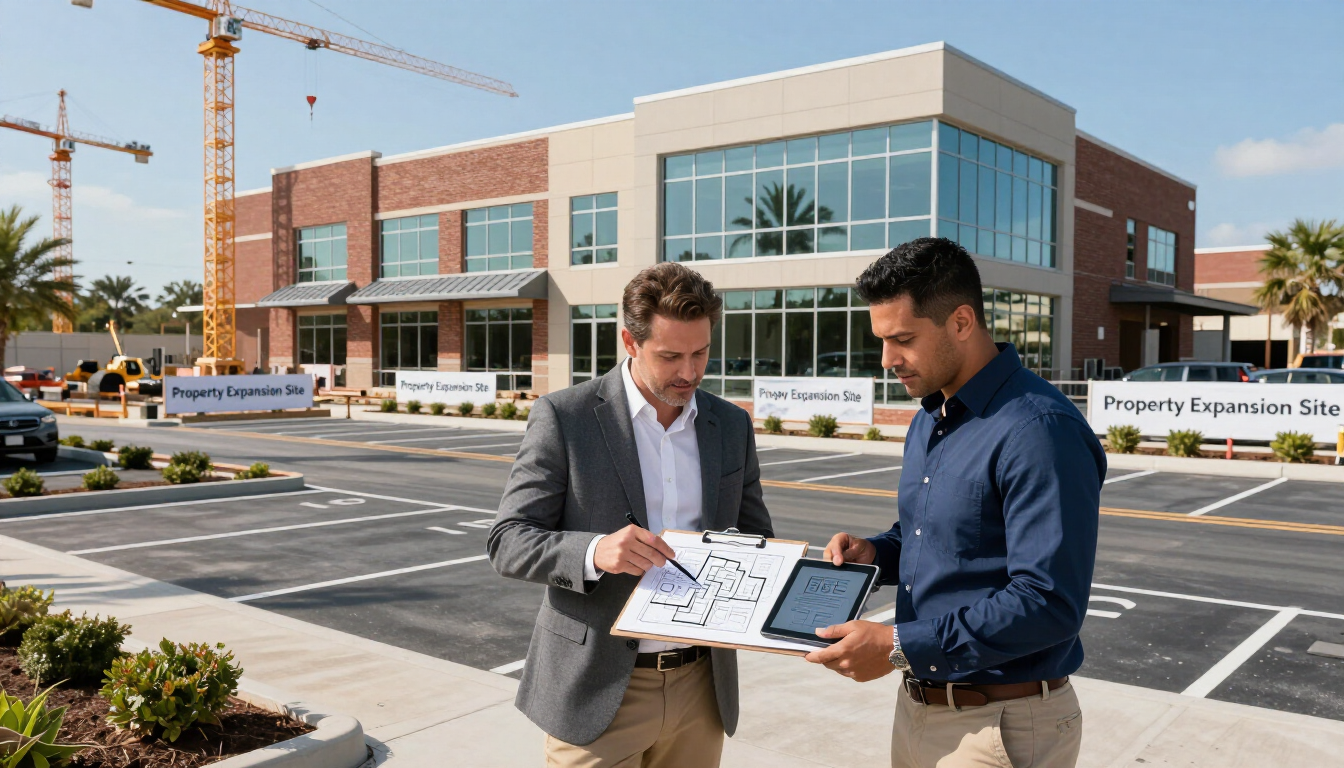
A licensed contractor, architect, engineer, or other qualified professional can help identify the likely scope of work and the disciplines involved. The right team depends on the notice and may include structural, electrical, plumbing, mechanical, fire protection, accessibility, or zoning expertise.
The assessment should address:
- What work appears to have been performed
- Whether the work affects structure or life safety
- Which portions require exposure or testing
- Whether existing conditions match available plans
- What permits, drawings, reports, and inspections may be required
- Whether the current use is allowed and properly classified
North Royal Construction helps commercial owners coordinate complex construction work, vetted subcontractors, and project documentation. Learn more through Pre-Construction or Contact Us to discuss an evaluation.
4. Confirm the permitting strategy
Ask the professional team to distinguish between correcting a violation, obtaining an after-the-fact permit, completing an expired permit, and applying for a new permit. These are not always the same process.
The strategy may involve preparing drawings, documenting existing conditions, obtaining engineering or testing, coordinating separate trade permits, and communicating with the reviewing authority. Submit complete and accurate information. Attempting to minimize the scope can create additional delays if the inspection reveals related work.
5. Complete inspections and retain final records
After permits are issued, required work and inspections must be completed. Some concealed conditions may need to be opened before inspection. Once the process is closed, retain approved plans, inspection results, permits, certificates, and correspondence with the property’s permanent records.
These documents can support future maintenance, tenant improvements, refinancing, insurance reviews, and sale due diligence.
How Does the After-the-Fact Permit Process Work?
An after-the-fact permit process allows the authority to review work that has already been performed. The exact requirements vary, but the process commonly follows these stages:
- Define the full scope. Identify every alteration associated with the notice, including work that may not be visible from the original complaint.
- Investigate existing conditions. Review records, inspect accessible areas, and determine whether walls, ceilings, floors, equipment, or finishes conceal relevant work.
- Prepare documentation. Depending on the project, this may include drawings, photographs, field measurements, engineering, product information, energy documentation, or trade-specific details.
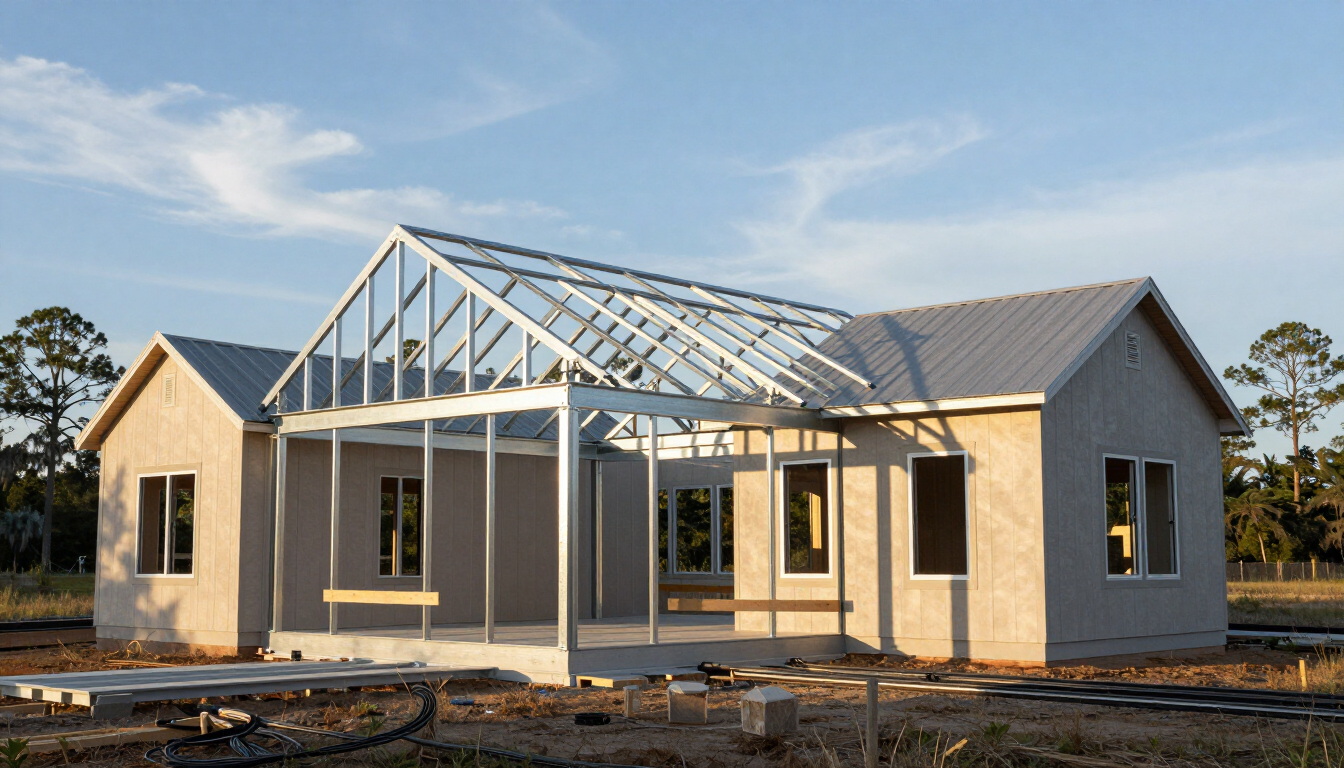
- Expose concealed work when required. Selective openings may be necessary so inspectors can evaluate framing, connections, wiring, piping, ductwork, insulation, firestopping, or other components.
- Submit the application. Submit the required permit applications and supporting documents through the applicable city process.
- Address review comments. Revise drawings, provide clarifications, or complete additional evaluations if requested.
- Perform corrections. Bring noncompliant work into compliance. This may require reconstruction rather than paperwork alone.
- Schedule inspections. Coordinate inspections for the building and relevant trades, including any reinspection or final inspection requirements.
- Close the record. Obtain confirmation that permits and violations have been resolved, then keep the final documentation.
The after-the-fact process is not an automatic approval of existing work. The city may require repairs, upgrades, redesign, removal, or replacement when the existing condition cannot be verified or does not comply.
When Cannot Unpermitted Work Be Permitted?
Not every condition can be approved as-is. Existing work may be difficult or impossible to permit when it creates a safety issue, violates zoning, lacks adequate documentation, conflicts with structural or fire requirements, or cannot meet accessibility or occupancy standards.
Common outcomes include:
- Redesigning the work to meet current requirements
- Reconstructing portions that cannot be verified
- Removing unauthorized construction
- Restoring the prior approved use or configuration
- Obtaining separate approvals for zoning, fire, or occupancy issues
- Completing testing or engineering before a decision can be made
A building’s age does not automatically make unauthorized work acceptable. Likewise, “the previous owner did it” may explain the history but does not necessarily resolve the property’s current compliance issue.
How Can Owners Reduce Delay and Cost?
Start with a complete scope rather than addressing only the most visible item. Coordinate the building and trade disciplines early, keep a single record of communications, and use current drawings that match field conditions.
Owners should also:
- Ask whether the work changed the approved use or occupant load
- Verify that subcontractors are properly qualified for the needed work
- Plan for selective demolition before inspections
- Avoid tenant or business changes that expand the violation
- Budget for corrective construction, design, testing, and inspection coordination
- Confirm closure in writing and preserve the final records
For owners planning broader improvements at the same time, North Royal Construction also provides support for commercial additions , retail tenant build-outs , and multifamily renovations in Jacksonville and Northeast Florida.
Key Takeaways for Jacksonville Property Owners
A Jacksonville code violation notice for unpermitted work should be treated as a prompt to investigate, document, and correct the property—not as paperwork that can safely be ignored. The key issue is whether the city can verify that the work complies with applicable requirements. Begin by preserving records, assessing the full scope, and determining whether concealed conditions must be opened for inspection. After-the-fact permitting may resolve the matter, but some work requires correction, reconstruction, or removal. If the notice affects a commercial property, coordinate a qualified construction team early and retain complete final records for future sale, refinancing, insurance, and operations.